On the Stain
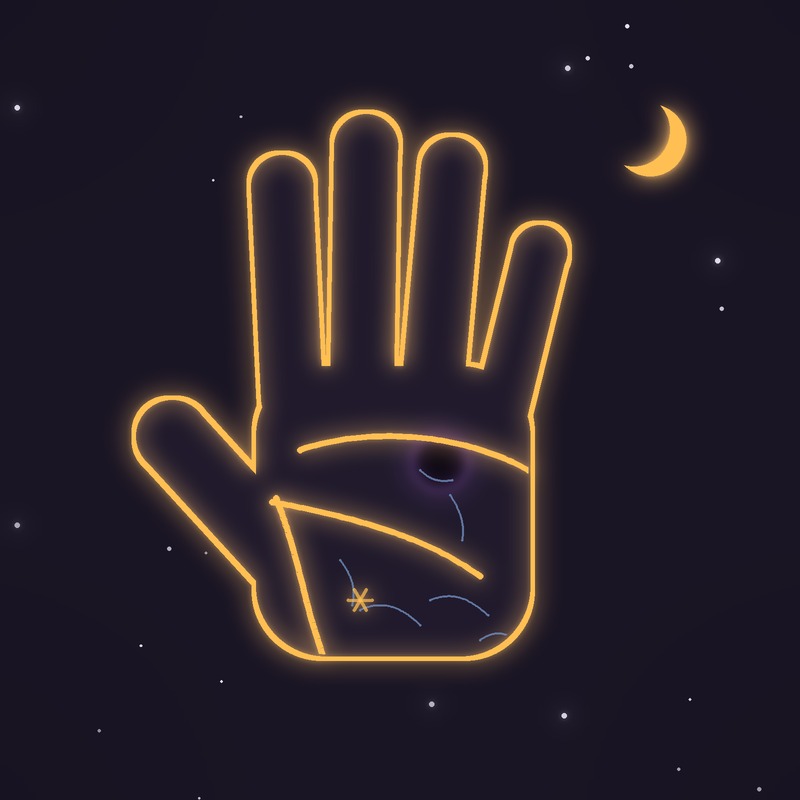
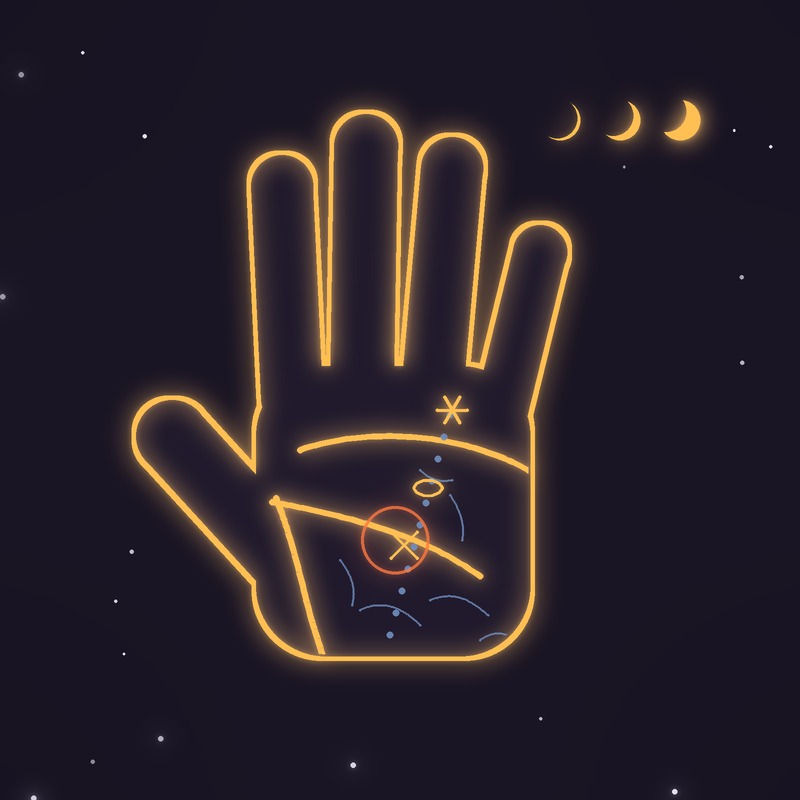
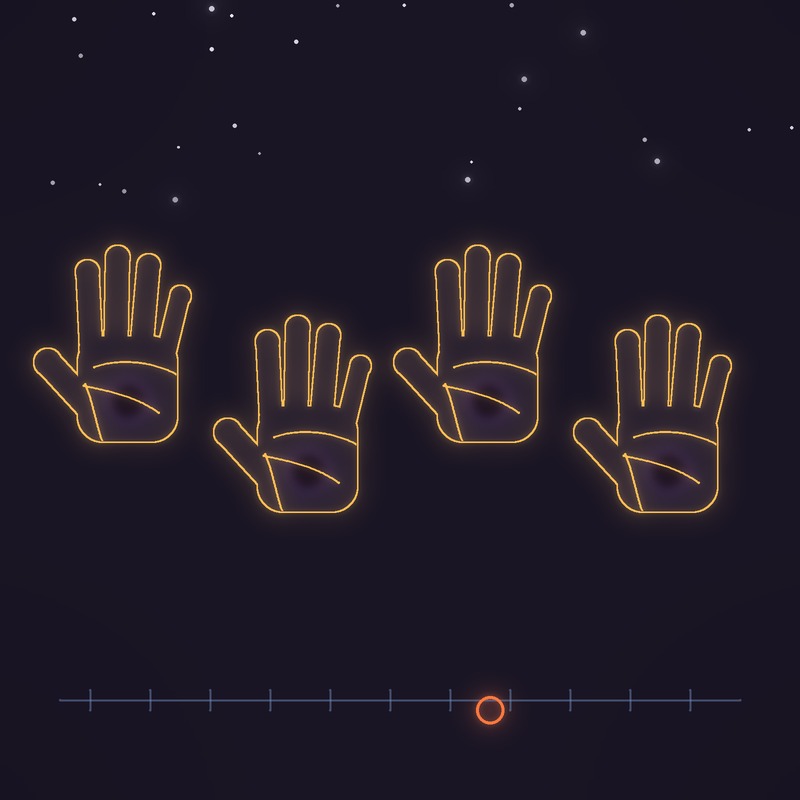
I. It happens that among the small signs of the palm there appears a sign unlike any other: not a line, not a star, not a cross, not an island, but a stain, round, dark, the size of the nail of the little finger, as though ink had dripped onto a page. It is called a blot, and so we shall call it here.
II. On the living skin there is no blot. However you look at the palm, in whatever light, under a lens or in the sun, where the stain stands on the image the skin is clean, without a mole, without a scratch, without dirt. The blot can be seen only on the image of the hand. And not everyone sees it: some see it at once and ask who spoiled the image; others see nothing and laugh; others again see it and cross themselves. It has been noted that the last are most numerous among old women and children.
III. The blot is not afraid of light. People have tried to wash it off, to take the image again, to change the lighting, to use other wax, other water. A shadow moves when the light is changed; the blot does not. It stands in one place, as if nailed there, and goes down towards the middle of the palm only together with the month, like the other signs.
IV. The edges of the blot are blurred, spread out, as if ink had soaked into paper. There is nothing on the palm darker than it; even the deepest crease beside it looks grey. Whoever looks at it long, with narrowed eyes, comes to feel that it is not on the surface of the image but deep beneath it, like a pool under the smooth face of a pond, and that the pool has no bottom.
V. Recorded as a list are the losses that befell people on the day the blot stood in the middle of the palm:
- a woman doing the washing let slip into the water the wedding ring she had not taken off since her wedding, and did not find it;
- a man caught his hand in a door, breaking three fingers;
- an old woman scalded her right palm taking a cauldron off the fire;
- a carter lost the purse with his week's earnings that he was holding in his hand: he turned at a call, and when he turned back the purse was not in his hand, and there was no one near;
- a girl cut her palm on glass, the skin came off in a flap, and when it healed not a single line remained in that place, smooth as an eggshell;
- an old man chopped off his finger splitting wood, which had never happened to him in all his life.
Not one of them died that day, fell mortally ill or was ruined to the last thread. But each lost something, and each time the loss was bound up with the hand: what is on the hand, what is in the hand, or the hand itself. As though a collector had passed among people, as a tax collector passes from yard to yard, and taken a little from each, not life, but what they hold.
VI. This too has been noted, and it is the chief thing. In people in no way connected with one another, living in different quarters, not knowing each other by sight, the blot reaches the middle of the palm on the same day of the month. One such day a month. Sometimes it shifts by a day, never more. On that day the blot stands in the middle in everyone who has it, however many they are. Whoever wrote these days down one after another saw that they lay in a single row, like notches on a doorpost.
 VII. It is said in one copy: "That is him walking. Once a month. Collecting." Who he is, it does not say. It is said in another: "Staying at home will not help, locking the door will not help, taking nothing in your hands will not help. He takes through the door, through the wall, through the cauldron and the ring." It is said in a third, small, at the very edge of the leaf: "Do not answer if they call you by name."
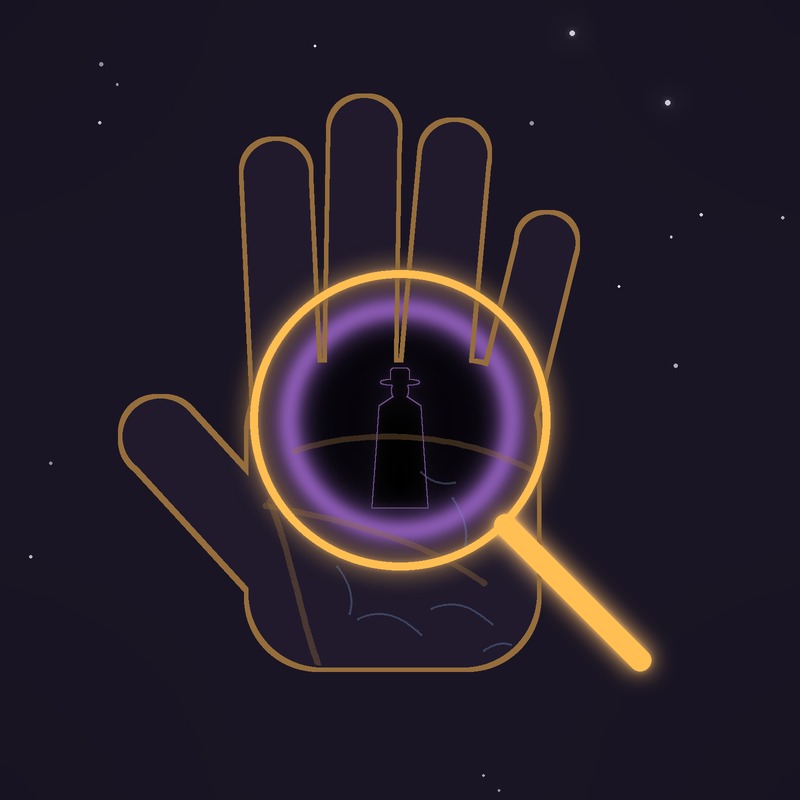
VIII. There is a testimony that is given reluctantly. If one looks at the blot through a magnifying glass for a long time, in good light, an outline is seen in its depth: elongated, dark on dark, as if someone tall were standing and looking out of the stain. To some it seems that he does not stand still, but with each day of the month is found in a different place: now by a distant tree, now by a fence, now on steps. To some it seems that he stands with his back turned. None of those who wrote this down saw his face. Everyone who has seen the outline advises not to look at the blot after sunset.
 IX. It was asked where the blot comes from. The answers were three. The first said: from the person himself, from his guilt or his sin, like a wine stain on a tablecloth. This is not so: the blot has been found in infants and in the righteous. The second said: from chance, like hail that beats one field and spares the next. This is not so: hail does not keep to days. The third said: from the one who reads. As if everyone whose hand the reader has looked at becomes visible to someone else as well, someone who looks through the reader as through a window. The third are listened to least of all, because if they are right, one must not read at all.
In the margin, in another hand, pressed hard: they are right.
X. And the last thing. The blot is not wiped away by being known about. It was seen, people were warned of it, they sat locked in that day and took nothing in their hands, and still they lost what was theirs. One who knows of the blot can do only one thing: make ready to give. They say that whoever gives of his own accord gives less.