On the Image of the Hand
I. A living hand lies. Not on purpose, but in the way all living things lie: it is warm, it trembles, it sweats with fear and shrinks with shame. The person who holds out his hand looks into the reader's face and waits, and his waiting settles on the palm like breath on glass. That is why the best of those who read read not the hand but its image.
II. An image is any likeness of the hand separated from it: a trace on water, an impression in wax, a shadow on a whitewashed wall, a drawing in charcoal made from life by a sure hand. It is written that in different times people read from each of these, and it is written that the image that serves best is the one made fastest, in a single instant, before the hand has had time to make itself ready.
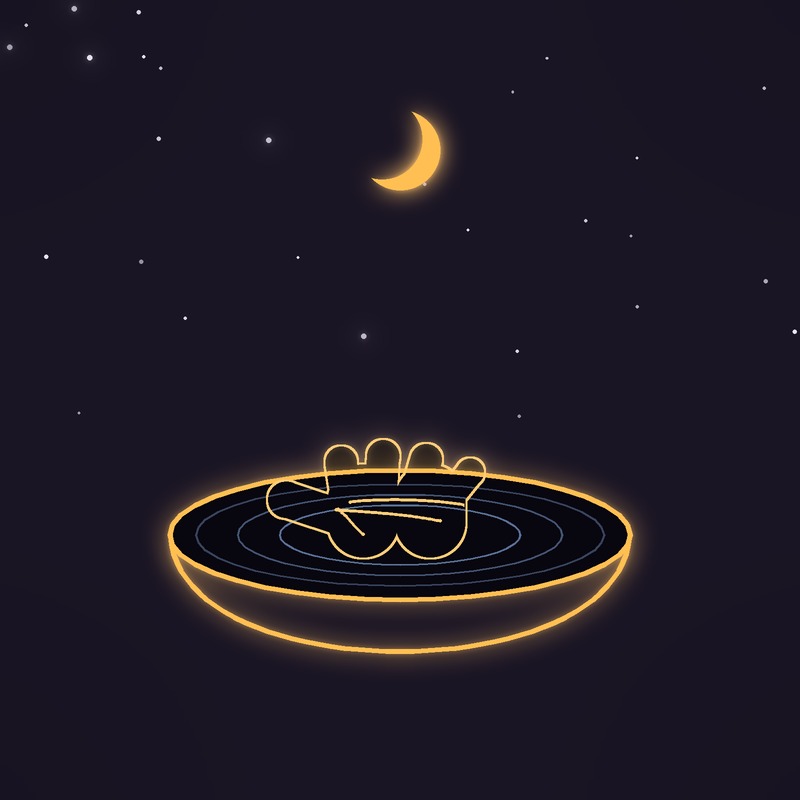
III. The oldest way is this. A person lowers his palm onto a bowl of black water filled to the brim, so that the palm rests on the water without sinking, and at once takes it away. For an instant the print holds on the water, as a footprint holds in snow, and in that instant it is read. This way demands a quick eye and an exact memory, for the water smooths itself before you can blink. They say there were those who were quick enough.
IV. Another way: an impression in warm wax smoothed on a board. Wax holds longer than water, and one can read from it without haste. But wax lies in its own way: it takes the deep creases and loses the fine ones, and it is precisely the fine ones that speak of the month. In wax one sees well who a person is. One sees poorly what will become of him.
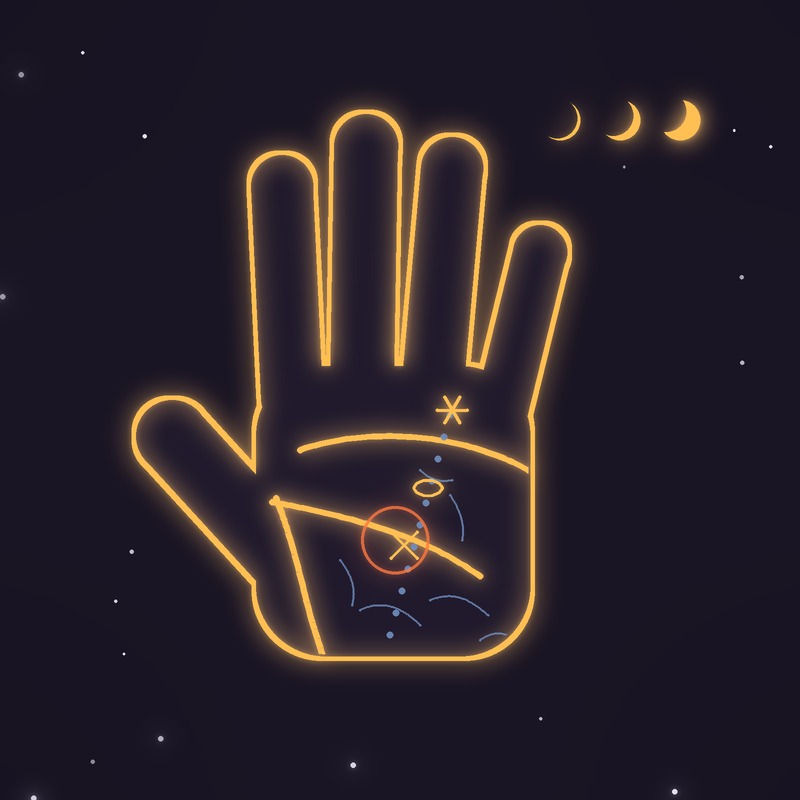
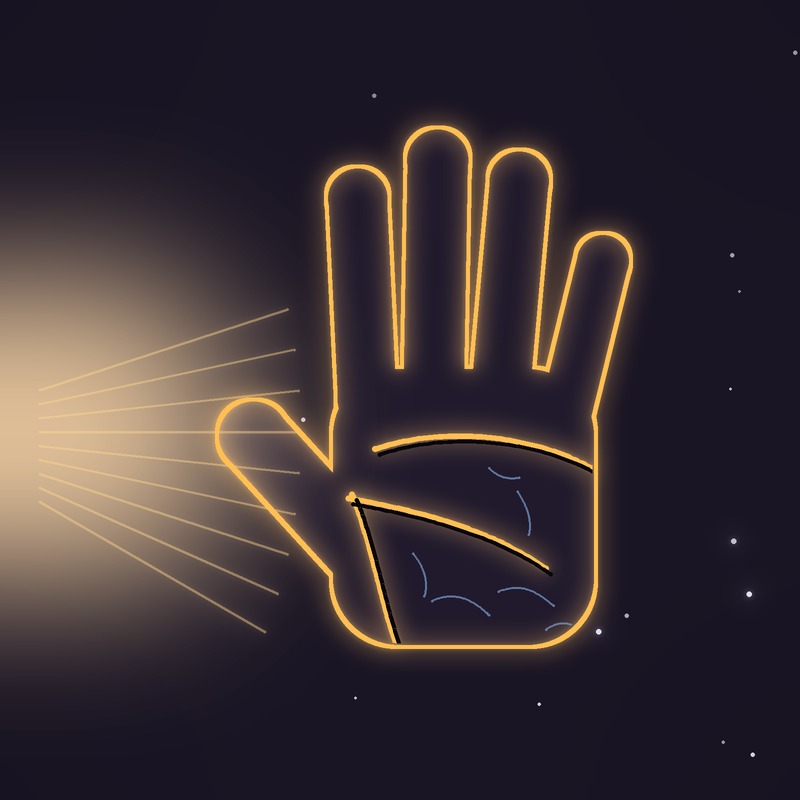
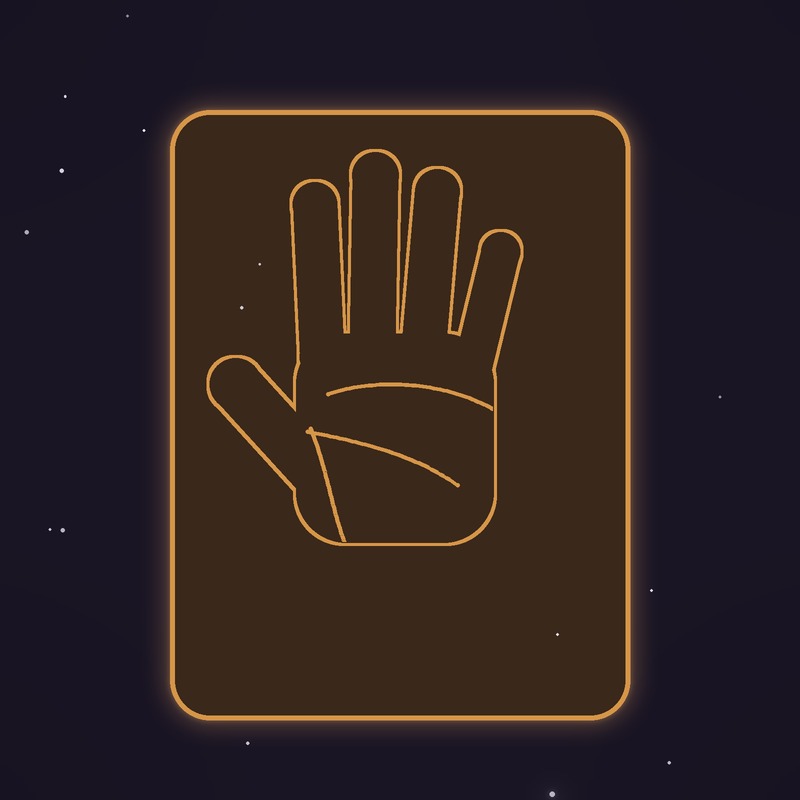 V. The best of the ways known to those who wrote this down is the image of the hand caught by light. How to catch it was known differently in different lands, and it is not told here, because what was told would grow old before the ink was dry. Only that which does not change is told. The light must fall from the side, low, glancing, as the evening sun falls on ploughland, so that every furrow casts its shadow. With the light from the front the palm comes out flat and empty, like a pancake. The hand must be open but not stretched: the fingers slightly apart, as if a person were holding out his hand for alms. And the whole hand, from the fingertips to the wrist, must go into the image entire, because what matters most usually slips away to the edge.
 VI. It is written thus: read not point-blank but as if past it, with eyes a little narrowed, as one looks at water when seeking the bottom. Whoever looks point-blank sees creases. Whoever looks past sees the creases cease to be creases and become a road, and beyond the road a field, and over the field a day. This is no trick of the eye. It is the eye passing from one writing to another, as it passes from the letter to the meaning once you have learned to read fluently.
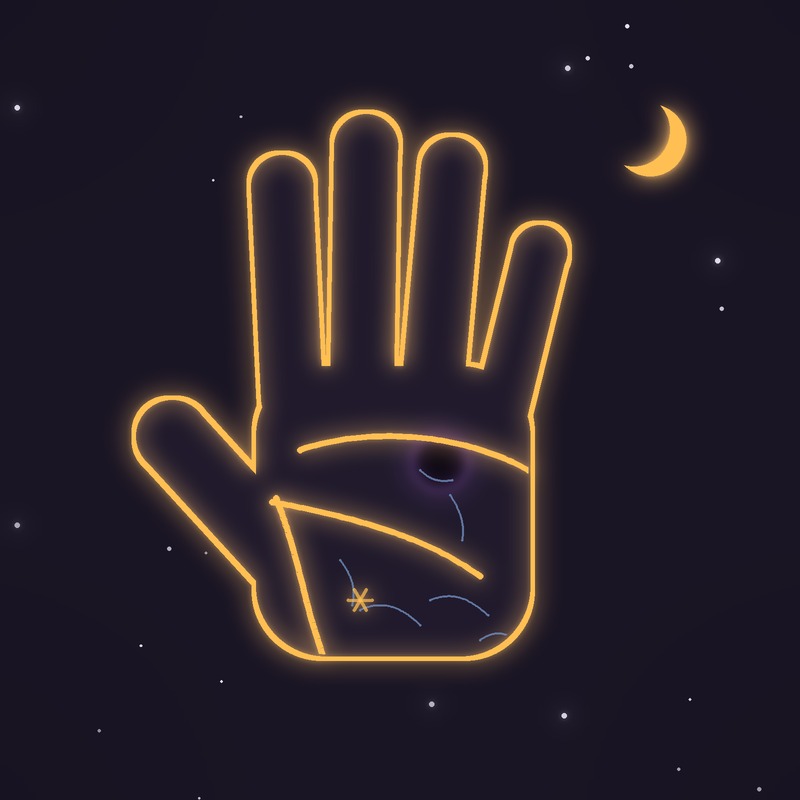
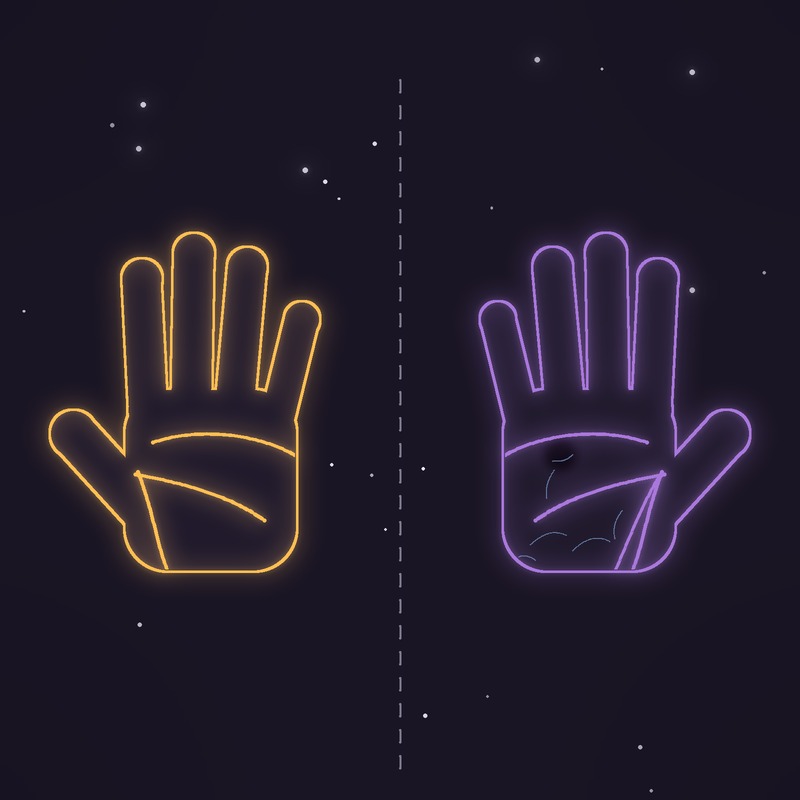
VII. The image holds not only the hand but what is upon the hand. On images of a hand things have been seen that were not on the hand itself: blots where the skin was clean, lines where the skin was smooth. This is neither a flaw nor a deception. The image shows the hand as it is on the other side, and the living hand shows it as it is on this side. The reader must know which side he is reading.
In the margin, in another hand: on this side the hand is yours. On that side it is not only yours.
 VIII. The image of a hand does not grow old. In a month the hand will be different, but its image will remain the same, and from it one can always read that month as it was on the day the image was caught. That is why images of hands are kept; some kept them in their hundreds, interleaved with thin paper, in chests and drawers. And that is why images of hands are guarded from other eyes: whoever holds the image of your hand holds your month, and a month, like money, should not be shown in the marketplace.
IX. It has been noted that on the image of the hand of one already dead his month is not closed. It is stopped on the day the image was caught, and nothing in it changes, as water does not change in a locked well. But sometimes, they say, something stirs in that standing water. There is no explanation for this, and one is advised not to seek it.
X. Lastly, the rule that is repeated in every copy, however many there are: do not look at your own hand in an image. Not in water, not in wax, not in light. Whoever breaks this will see, but what he sees will not be his month but something else, and what it is about, it is better not to know.