On the Month
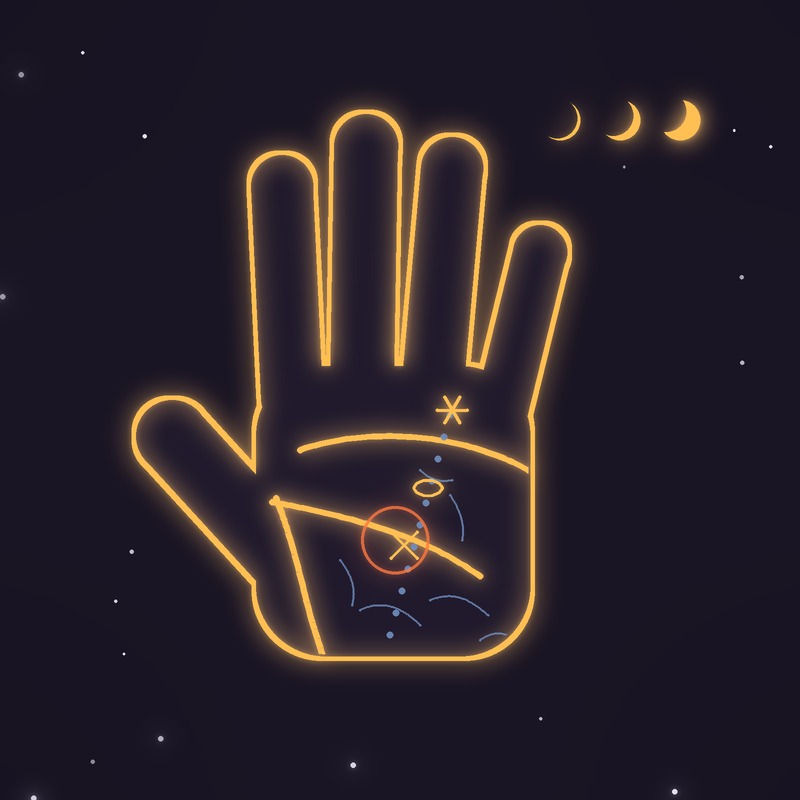
I. The hand sees a month ahead. Not a year, not a week, but a month, and not a day further. This is the first thing that everyone who learns to read is told, and the last thing he agrees to.
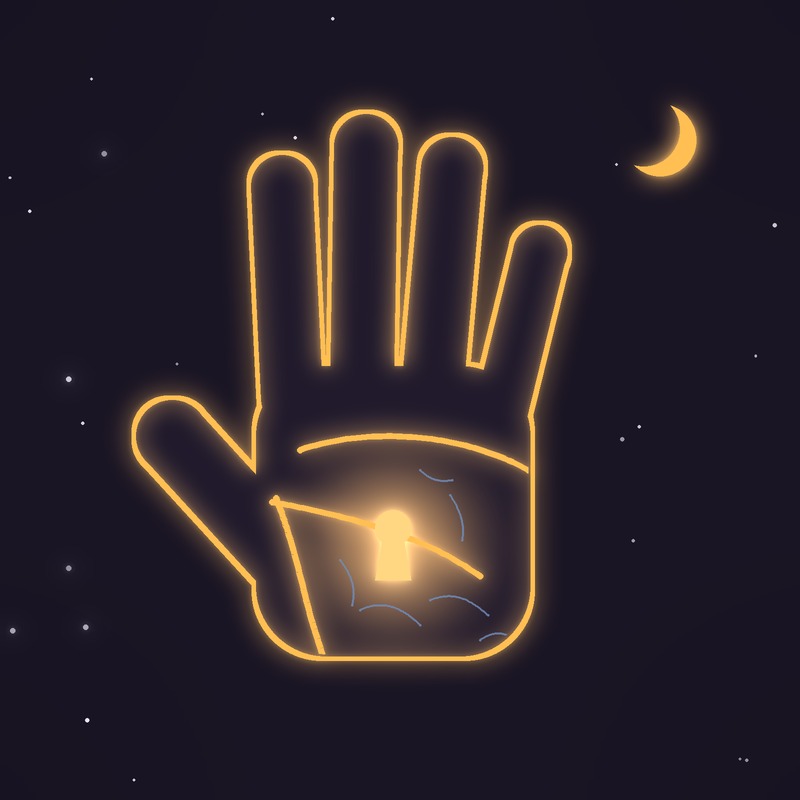
II. The small lines of the palm, fine, sometimes finer than a hair, do not stand still. If one looks at the same hand day after day in the same light, one sees that they move downwards, from the base of the fingers towards the wrist, slowly, like clouds across the sky on a windless day. What is at the base of the little finger today will in a month be in the middle of the palm, and then it will go lower, towards the wrist, and vanish.
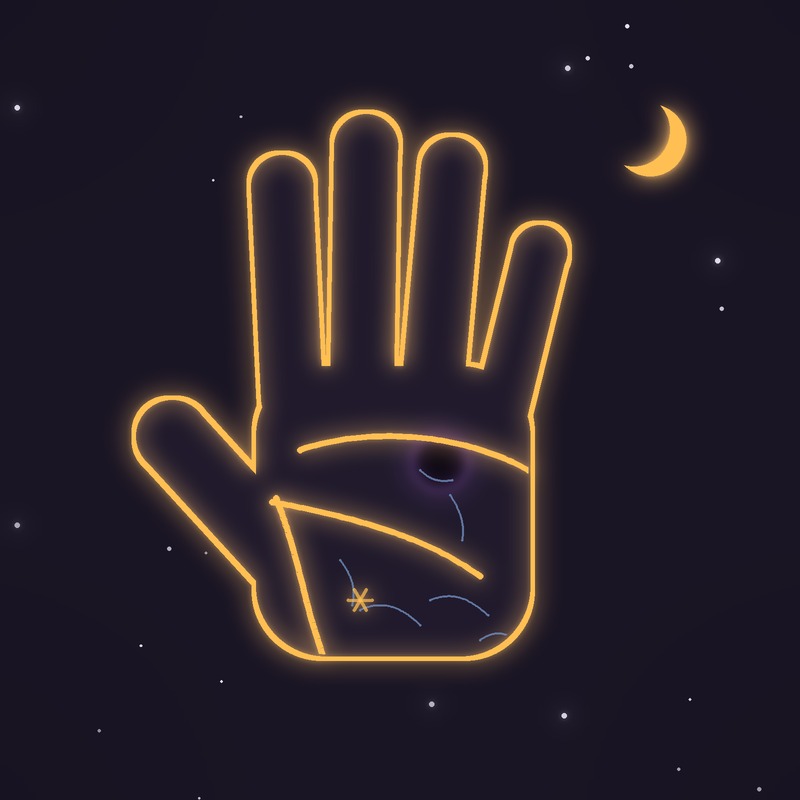
III. Every sign that appears at the base of the fingers, be it a star of three crossed strokes, an island on a line, a cross or a short crossbar, travels to the middle of the palm in thirty days, sometimes in twenty-eight, rarely in thirty-one. On the day when it stands in the middle, that which it means comes to pass. The middle is taken to be the place where the line of fate crosses the line of the head; if there is no line of fate, then the midpoint between the base of the middle finger and the wrist.
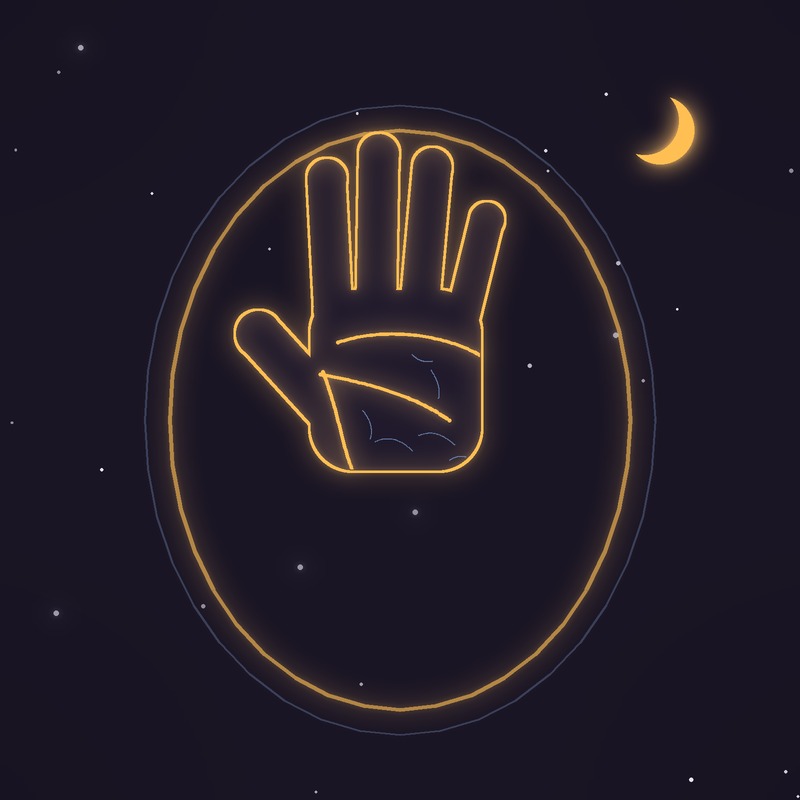
IV. Hence the rule: what is at the fingers, that is in a month; what is halfway, that is in half a month; what is in the middle, that is today; what is below the middle, that has been. The hand is like a lantern on a road at night. What is near is brightly lit, what is far is dim, and beyond the circle of light there is nothing, and however hard you peer into the darkness beyond the circle, you will see only your own eyes.
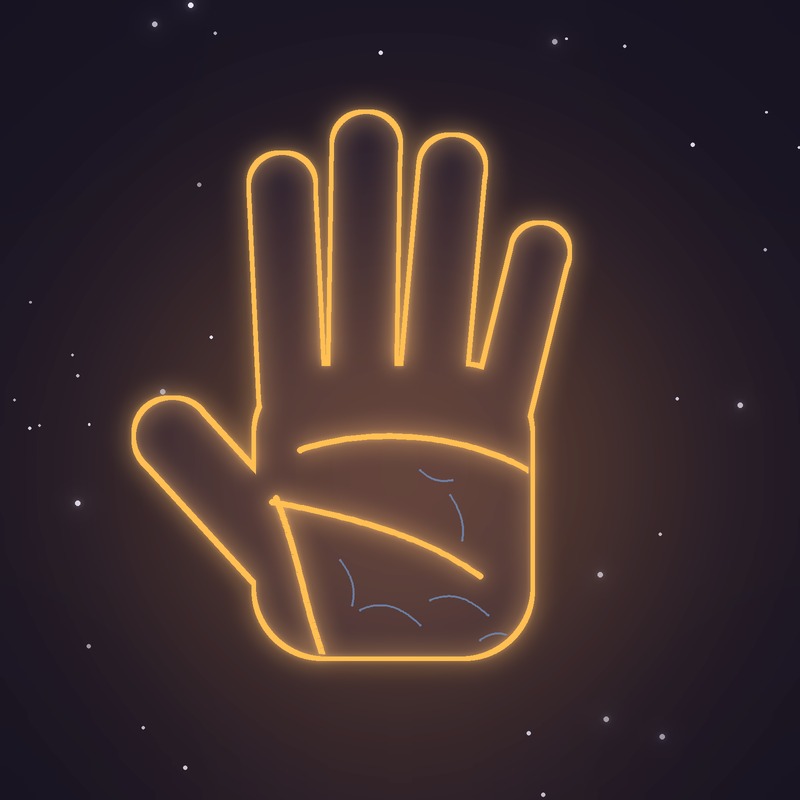 V. Attempts were made to look further. On hands they sought the signs of weddings fixed half a year ahead, of births whose term was known, of deaths from illnesses that went slowly and surely. Nothing. While more than a month remained before the event, there was not the slightest trace of it on the palm. A month before, it appeared at the base of the fingers, as a sail appears on the horizon: first a dot, then a patch, then one can see what colours it flies.
VI. It was asked why a month. Some say: because the month is the measure of the moon, and the moon rules water, and blood is water, and the hand is blood. This is beautiful and explains nothing. Others say: the month is the measure of a debt; when the month runs out the debt is collected, and fate, like a moneylender, sees only as far as the day of payment. Others again say that beyond the month is not ours, and whose it is they do not say.
VII. An experiment is recorded. A man who sowed a kitchen garden had his right hand looked at every morning, at the same hour, for sixty days on end. In that time eleven signs appeared on his hand and passed to the middle. A star by the ring finger reached the middle on the day his cow calved twins, which had not happened on his farm for twenty years. A short crossbar reached the middle on the day he gashed his leg with a scythe. An island reached the middle on the day his mother-in-law died; he reported this himself without sorrow, and that too is recorded, so that it may be seen that the hand does not judge, it only shows.
VIII. Another experiment is recorded, the reverse. A sign that meant misfortune was seen in advance and the man was warned. On that day he sat at home with the door locked, did not go near the windows and took nothing in his hands. The misfortune came to him in his house. A sign is not wiped away by being read. What is read is known, but not cancelled. Whoever thinks that what has been read can be got round is like a man who saw from a hill a landslide on the road and decided not to travel, and the landslide came down into his yard.
In the margin, in another hand: not cancelled. But sometimes one can show where to stand, so that the stone falls beside one.
IX. The nearer a sign is to the middle, the blacker and sharper it is. The sharpest signs come in the last three days, when nothing can be done any more. The palest, barely to be made out, come in the first days, when much can be done but nothing can be seen. So it is arranged, and so it is arranged, very likely, on purpose.
X. There are hands on which the month flows faster, and a sign reaches the middle in a week. These are found in those sick with fever, in those in love for the first time, and in those who have little left. There are hands on which the month stands still, and the signs do not move for weeks. These are found in those who lie long unconscious, in those who are waiting, and in very old people who, as is said, no longer live but only wait it out.
XI. The last thing. The month of the hand does not coincide with the month of the calendar. It begins not on the first day but on the day the hand is looked at. Every glance opens its own month, as a key opens a door, and every month slams shut after thirty days. That is why the same hand is not read twice in a month: a second glance will not open a new one but will only disturb what is already open, and that which is behind the door will notice that it is being looked at.