On the Flower of a Single Night
I. Where the gift of reading the hand comes from, the copies tell reluctantly, and each tells its own. But all agree that this gift is not born with a person, as the creases are born, but is taken. It is taken once, in a single night, in a single place, and the one who took it is known afterwards by his hands: they are warm, heavy, and smell faintly of earth.
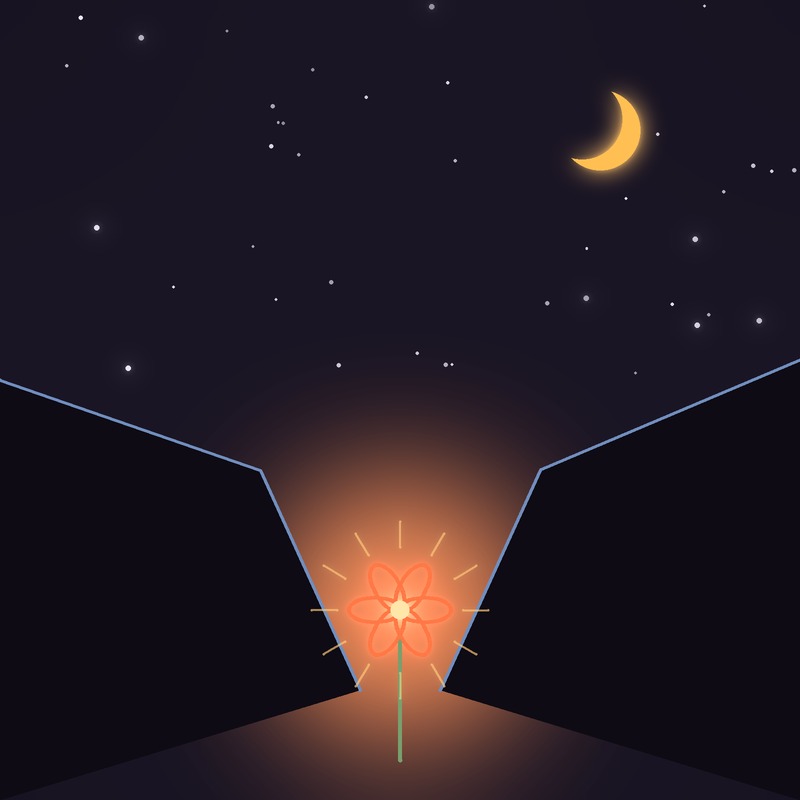
II. It is written thus. There is a night in the year, the shortest, when the sun barely sets before it comes back, and on that night in remote places, in ravines where no one mows, by water that does not flow, a flower blooms. It does not bloom long, from midnight to the first cockcrow, and some say only for a single instant, as an ember flares in the stove when it is blown upon. Fiery, say some. White as milk, say others. Others again say it has no colour at all, only light, and that in that light one can see through the earth.
III. To whoever picks it are opened buried treasures, the languages of beasts and birds, other people's thoughts, and to some, by blood, palms: every hand the one who picked it looks at becomes for him a book open on the month ahead. This everyone knows; it is sung in songs and told to children. Something else is not known, and it is written down here.
IV. The flower cannot simply be picked. Beside it stands the one who guards it, and he guards it not from people but for people: he waits to see who will come. He does not hinder the one who comes, but makes him an offer. You shall take the flower, he says, and I shall take something else from you. It is written that before stretching out his hand to the flower, the one who has come must name what he wants besides the flower, because on that night no one comes here for the flower alone. They come when someone is dying and there is nothing to save him with, or when there is nothing to live on, or when there is nothing left to lose. The one who guards knows this and does not bargain over the flower. He bargains over the other thing.
 V. The price is written down. It is double, and its second half is heavier than the first.
The first half: everyone whose hand the one who received the flower reads will give up a little of his fate, and once a month what has been given up will be collected.
The second half: once a generation the one who received it gives up a hand of his kin. Not his own hand, but the hand of the one who comes after him. The term is set when the bargain is struck, and most often, they say, it is the twenty-eighth year from the heir's birth, on the very birthday, at midnight, when one year has ended and the next has not begun. Twenty-eight years are four sevens, and this number is written in every copy without change.
VI. They say also that this kin has been paying for a long time. That the first was not the one who picked the flower last, but his great-grandfather's great-grandfather, and the first was not a buyer but a seller. He sold all he had, his lines to the last one, for the gift, and when he understood what he had sold it was too late, and since then he has walked without lines and gathers them one by one from his descendants, from each generation, and these generations are seven. If this is true, then the one who guards the flower and the one who collects the payment are one person, and that person's face is the face of the ancestor. Only he has no face.
In the margin, in another hand, small: his portrait hangs in the church in the village above the ravine. Without a face. The face is rubbed away, as if it had been rubbed with fingers for years.
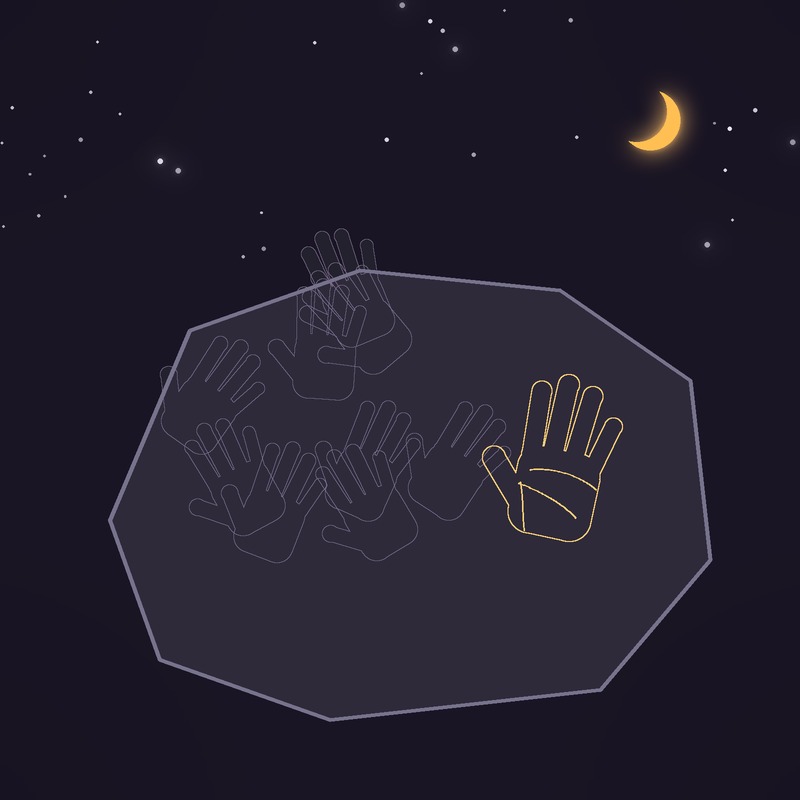
VII. The place is described where the flower bloomed for the last time, of the times that are known. A ravine beyond the village, deep, dark, with a stream at the bottom that dries up in summer and roars in spring. The slopes are overgrown with hazel and blackthorn. At the bottom lies a large stone, flat, grey, and on the stone palms are carved, many palms, old and new, one over another, as if for centuries someone had been pressing hands to the stone as to a seal. They say these are the hands of all who came for the flower and of all who were given up for them. They say one palm there is always fresh.
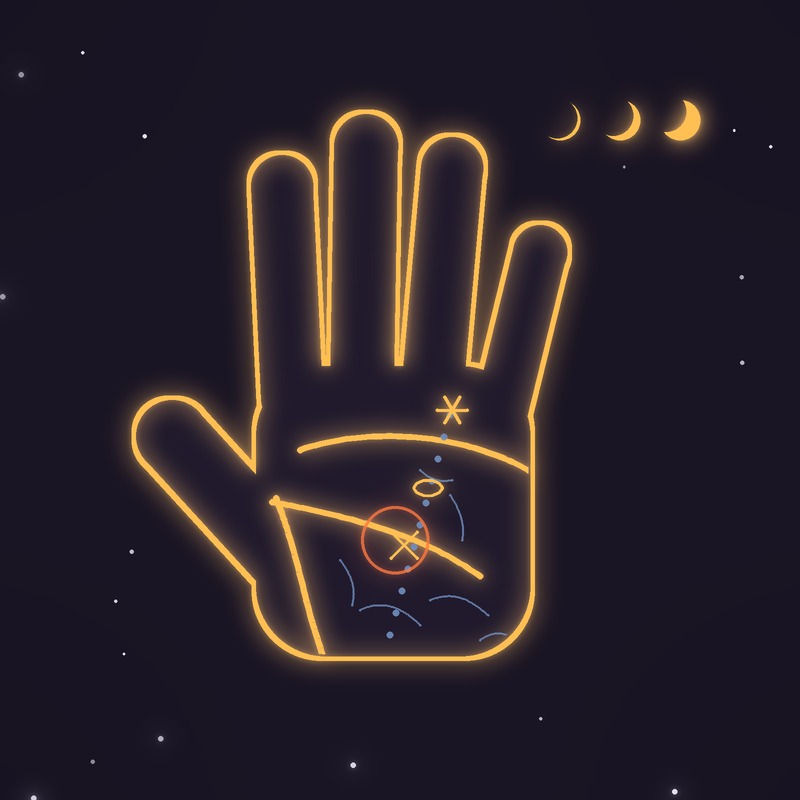
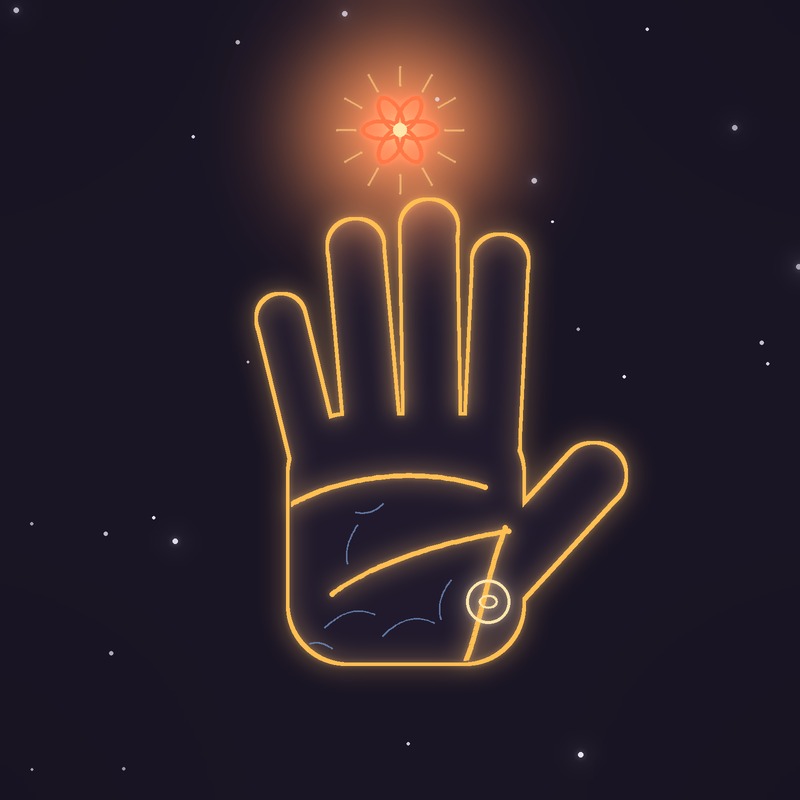
 VIII. The rite is described too, though those who wrote it down warn that the description is incomplete. One goes into the night without looking back. At the ravine one takes off one's shoes. One goes down in silence, because whoever speaks on the slope will not reach the bottom. Below, one waits until midnight and lights no fire. When the flower flares up, one holds out to it not the right hand but the left, palm up. It lays itself in the palm. There is no pain. Only from that night on, on the left palm, at the base of the thumb, there remains a little island, round as a grain, and it does not go away until death.
 IX. It is written: some who received the flower tried to deceive the one who guards it. To put another's hand in place of the hand of their kin, the hand of another's child who is given the same name, who is called, lured, made at home in the house until he becomes one of their own. They say such a substitution has succeeded, but rarely. More often it cost two hands instead of one. They say that in a certain village by a ravine there is a cradle on which a boy's name and a year are carved, and that the boy's mother is alive and has forgiven.
X. And the last thing, written at the edge, as if the one who wrote it did not want it read and wrote it all the same. The bargain can be closed. For this the one who received the gift must give up the hand of the kin himself, of his own will, and not another's hand, but his own. Then the debt of the kin is paid, the one who guards receives what was lacking, and it is all over. But the one who does this goes away together with the hand, and the gift of his heir is lost that same night, and the heir ceases to see the next month, as one ceases to see a dream on waking.